
Damp, Cold & the North East Winter: A Maintenance Checklist
Damp, Cold & the North East Winter: A Maintenance Checklist
Damp is one of the most common and most costly problems we see across the North East, and it is almost always cheaper to prevent than to cure. The weeks before winter sets in are the best time to act, while the weather is still kind enough to let you get the jobs done.
It usually starts small. A musty smell in the spare room. A dark patch creeping into the corner of a bedroom ceiling. Windows streaming with water every morning. Then the first proper cold snap arrives, and what looked like a minor niggle starts to look like a major bill.
This checklist walks you through the key pre-winter jobs, explains why homes across Tyneside are particularly vulnerable, and tells you when it's time to stop DIY and get a proper diagnosis.
Why North East Homes Are Prone to Damp and Condensation
The North East climate does many homes in the region no favours. Long, cold, wet winters mean roofs, walls and gutters spend months under pressure from rain and wind. Add the age and type of housing stock, and the risk grows.
Older, Solid-Wall Properties: Many Victorian and Edwardian terraces, Tyneside Flats and 1930s homes were built with solid walls and no cavity. They are slower to warm up and quicker to hold moisture.
Cold Surfaces: When warm, moist indoor air meets a cold wall, window or corner, it condenses into water. In a cold snap, that happens faster and more often.
Upgrades Without Airflow: Sealed double glazing, draught-proofing and blocked air bricks keep heat in, but they can also trap moisture if ventilation isn't considered at the same time.
Everyday Life: Cooking, showering and drying washing indoors all add moisture to the air. A typical household adds a surprising amount every day.
It also helps to know what you're dealing with, because "damp" isn't one problem:
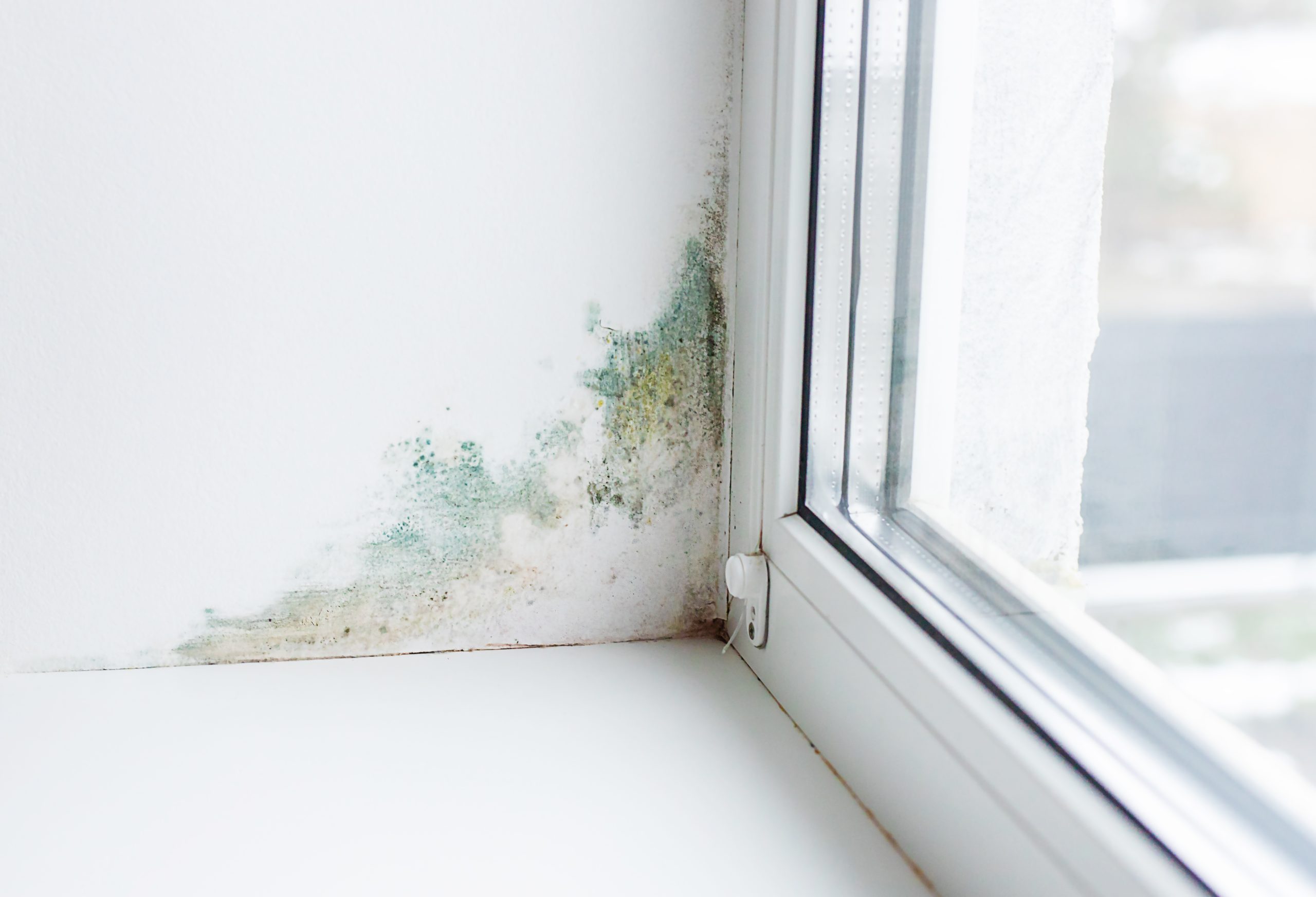
- Condensation is moisture from indoor air settling on cold surfaces. It tends to show up as black mould on walls, window frames and ceilings, particularly in corners and behind furniture.
- Penetrating damp is water getting in from outside, through faulty gutters, roofs, pointing or windows. It often leaves a patch that gets worse after rain.
- Rising damp is groundwater moving up through a wall, typically leaving a tide mark low down. It's less common than people think and is often misdiagnosed.
The cause decides the cure, and getting it wrong can mean spending money on the wrong fix.
Your Pre-Winter Maintenance Checklist
1. Clear Gutters and Downpipes
Blocked gutters overflow, sending water straight down your walls. Over a wet winter that can saturate brickwork, stain the façade and lead to damp inside. Clear leaves, moss and debris from gutters and hoppers. Look for sagging sections, leaking joints and plant growth. Check downpipes run freely and discharge away from the building. Please don't lean out of an upstairs window to do this – use a stable ladder with someone to foot it, or hire a professional.
2. Check and Repair Pointing
Mortar between bricks and stone is there to keep water out. Once it crumbles or falls away, rain gets into the wall itself. Walk around your property and look for gaps, loose or powdery mortar, and weathering, especially on gable ends and chimney stacks that take the brunt of the wind and rain. If your home is older, repointing needs the right mortar. A mix that is too hard can damage softer brick or stone, so you need a contractor who understands traditional buildings.
3. Inspect the Roof, Chimney and Flashings
Slipped or cracked tiles, failed lead flashing and damaged chimney pots are classic routes for water to enter a building. After a windy spell, take a look from the ground, using binoculars if you have them. Look for missing or displaced tiles, cracked pointing around the chimney and gaps around flashings. Leave any roof access to a qualified professional.
4. Keep Air Bricks and Vents Clear
Air bricks let sub-floor spaces breathe. If they're blocked, moisture builds up under the floor and can affect timbers and walls above. Make sure air bricks aren't covered by soil, leaves, paving or render. Check that kitchen and bathroom extractor fans work properly, and use trickle vents on windows rather than keeping them sealed shut.
5. Look at Windows, Seals and Sills
Failed seals, rotten frames and cracked sealant let water in and create cold spots where condensation gathers. Check sills, frames and seals for gaps, soft timber or flaking paint, and renew sealant where needed.
6. Manage Moisture Indoors
Even a well-maintained home will suffer condensation if the air is too damp for too long. Keep the heating on low and steady rather than in short bursts, put lids on pans, run extractor fans during and after showers, and wipe condensation from windows in the morning. Dry washing outdoors or in a ventilated room where you can, avoid draping it over radiators, and leave a gap between furniture and external walls so air can circulate.
7. Check Ground Levels and Drainage
If soil, patios or paths build up against your walls, they can bridge the damp-proof course and let moisture travel into the building. Blocked drains can add to the problem. Check that external ground levels sit below your damp-proof course and that gullies and drains are clear and flowing.
When It's More Than a Maintenance Job
The checklist above will head off many problems, but it won't solve them all. Watch for signs that something deeper is going on:
- Tide marks or damp patches that come back after being cleaned or painted over
- Peeling paint or wallpaper, or plaster that feels soft or crumbles
- Black mould that returns despite regular cleaning
- White salt deposits on walls
- A persistent musty smell
- Staining on ceilings or around chimney breasts
If you see any of these, you need to know what the problem actually is first; the wrong remedy can cost thousands without fixing the cause.
How Robertson Hill Associates Can Help
If you're worried about one particular issue, such as recurring damp, cracking, or a roof or structural concern, a Specific Defect Survey focuses on that problem.
As a RICS-accredited property surveyor based in Newcastle, we work across the North East and know how local homes behave through our winters. A professional survey combined with our honest, independent advice gets to the root cause of the problem, so you can get the right remedy.
Buying or Selling This Winter?
Winter is also when damp shows itself most clearly, which makes it a useful time to find out what you're taking on. If you're buying, a Homebuyer Survey (Level 2) or Building Survey (Level 3) can flag damp and related defects before you exchange contracts, when they're far easier to negotiate on. If you're selling, knowing the facts in advance means fewer surprises later.
Don't Wait for the First Frost
Small jobs done now prevent big bills later. Work through the checklist this month, and if something doesn't look right, or you've seen the warning signs above, get it properly diagnosed before the cold really bites.
Book your Specific Defect Survey with Robertson Hill Associates today.