
The Surveyor’s Role in Diagnosing & Treating Damp & Mould
The Surveyor’s Role in Diagnosing & Treating Damp & Mould
For property owners, landlords, and buyers, the expertise of a professional surveyor can be invaluable in identifying the root cause and providing effective solutions for treating damp and mould.
Damp and mould are among the most persistent and damaging problems a property can face.
From health risks to structural damage, their impact can be significant if not addressed promptly.
Robertson Hill Associates’ professional inspections by our RICS-accredited surveyors are essential to safeguarding a property’s value and integrity where damp or mould may be present.
Understanding Damp and Mould: A Persistent Threat
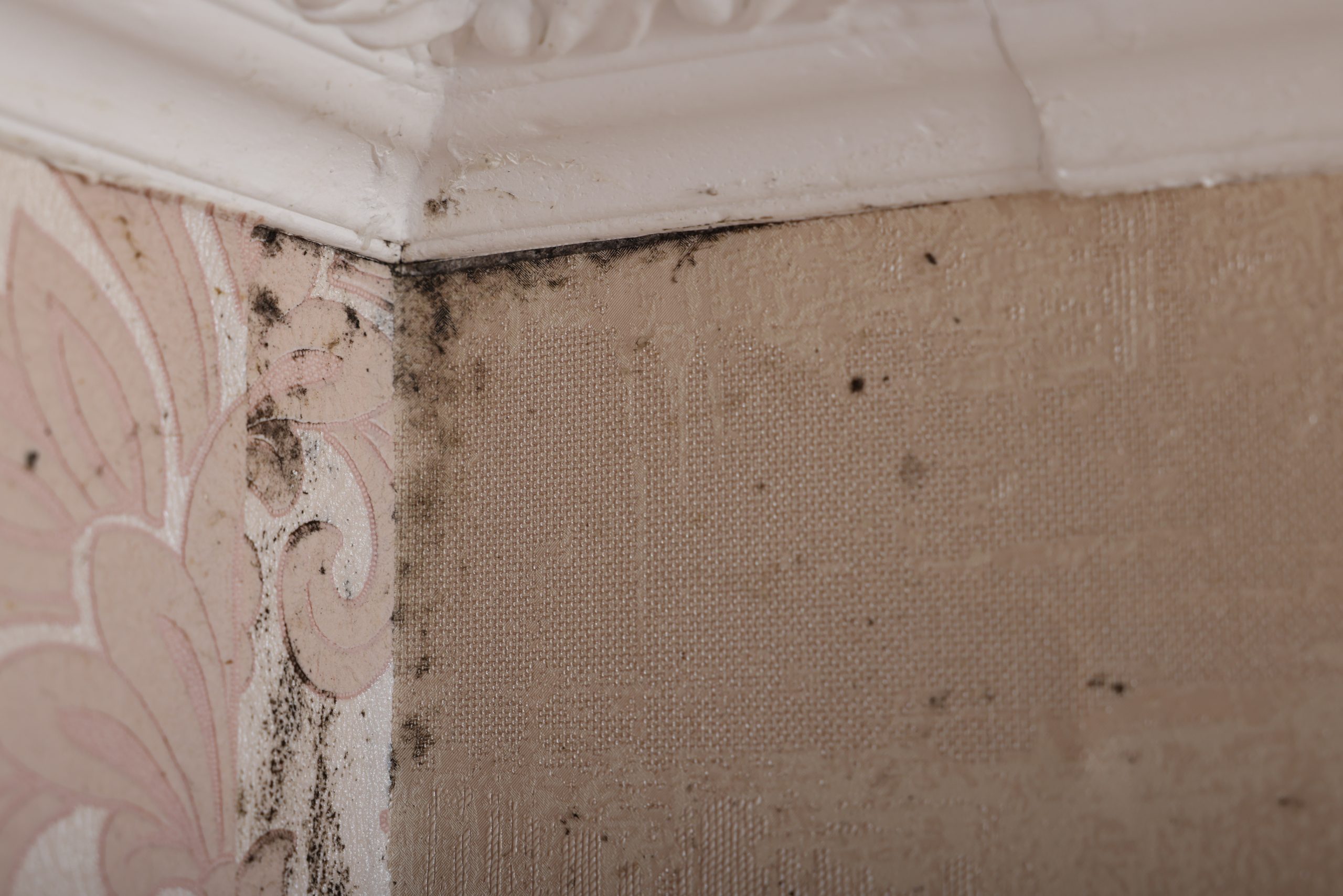
Damp occurs when excess moisture builds up in a property, leading to problems like:
- Water stains and discolouration
- Peeling paint or wallpaper
- Structural decay, including wood rot
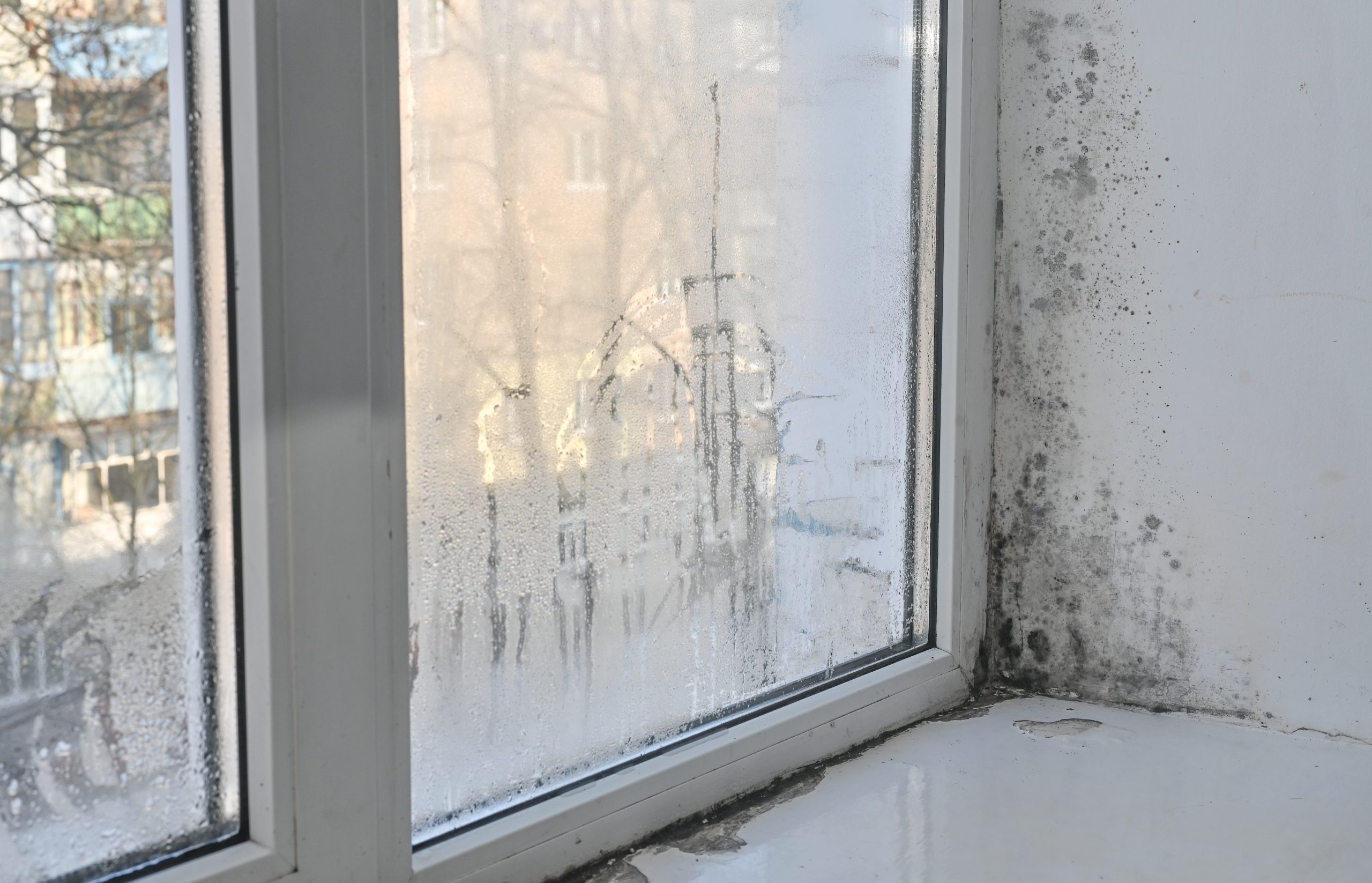
Mould, a fungus that thrives in damp conditions, can worsen these issues. It appears as black, green, or white patches and can spread rapidly in poorly ventilated or water-damaged areas.
Damp and mould might seem like minor nuisances, however they often point to more serious underlying issues, such as structural defects or failing drainage systems. While some signs of damp and mould are obvious, understanding the root cause is far more complex. A professional surveyor has the expertise, tools, and experience to identify hidden issues that may not be apparent to the untrained eye.
Key Benefits of a Surveyor’s Inspection
Surveyors can differentiate between various types of damp and provide an accurate diagnosis. This is critical to implementing the right solution and preventing further damage.
- Condensation: Caused by poor ventilation and high indoor humidity.
- Rising Damp: When moisture from the ground seeps into walls due to a failed damp-proof course (DPC).
- Penetrating Damp: Resulting from water ingress through external walls or roofs.
Surveyors can make use of advanced tools and specialist equipment which allow for a thorough assessment beyond surface-level symptoms.
- Moisture meters to detect damp levels in walls, floors, and ceilings.
- Thermal imaging cameras to spot areas of heat loss or hidden leaks.
- Hygrometers to measure humidity levels and identify condensation risks.
Once an investigation has been completed, our surveyors provide a detailed report that can explain the source of damp and mould issues, recommend appropriate remedial actions, and highlight areas that require urgent attention. This report can be invaluable for homeowners, landlords, and potential buyers in making informed decisions.
Protect Property Value with Cost-Effective Solutions
By pinpointing the exact cause of damp and mould, surveyors help avoid unnecessary repairs or costly mistakes. For instance, replacing windows to combat condensation won’t solve the problem if poor ventilation is the real issue.
For property sellers, addressing damp and mould issues before listing can prevent deals from falling through. Buyers are more likely to proceed with a purchase if they’re reassured the property is free from hidden defects.
When Should You Call a Surveyor?
For Homeowners
- If you notice persistent damp patches or recurring mould.
- After experiencing a flood, leak, or structural damage.
- Before undertaking renovations to ensure no underlying moisture problems exist.
For Buyers
- During the purchase process, especially for older properties or those with visible signs of damp.
- If a homebuyer survey flags damp as a concern, a specialist damp survey can provide clarity.
For Landlords
- To ensure rental properties comply with housing standards.
- To address tenant complaints of damp or mould promptly.
The Surveyor’s Role in Remediation
Once the inspection is complete, a surveyor can guide property owners through the remediation process. This may include:
- Recommending contractors for repairs, such as DPC installation or roof repairs.
- Advising on ventilation improvements, such as adding extractor fans or improving airflow.
- Suggesting insulation upgrades to prevent condensation.
Surveyors may also conduct follow-up inspections to ensure the issues have been resolved effectively.
Prevention is Better Than Cure
Regular property inspections can prevent damp and mould problems before they arise. A surveyor can provide tailored advice on:
- Maintaining adequate ventilation and drainage.
- Ensuring a damp-proof course remains effective.
- Identifying and addressing small leaks or cracks before they escalate.
Conclusion
Damp and mould are more than just cosmetic problems. They can compromise structural integrity, harm occupants’ health, and reduce market value. Engaging a professional surveyor ensures these issues are identified, addressed, and prevented with expert precision.
If you’re a property owner, buyer, or landlord, don’t underestimate the value of a surveyor’s expertise in safeguarding your investment. Book an inspection today and take the first step toward a healthier, more secure property.
Need help with damp or mould issues? Contact Robertson Hill Associates to schedule a professional inspection with one of our experienced surveyors.
Get a Quote