
Tyneside Flats: The Surveyor’s Guide to Upper and Lower Issues
Tyneside Flats: The Surveyor’s Guide to Upper and Lower Issues
If you've spent any time house-hunting in Newcastle or across Tyneside, you've walked past dozens of Tyneside flats without necessarily knowing what makes them different. Two homes, one building, one roof; that shared structure is exactly where buyers run into trouble. Split ownership can cause some problems that you might not see coming, but that a survey from Robertson Hill Associates can pick up on before it’s too late.
A Newcastle Original
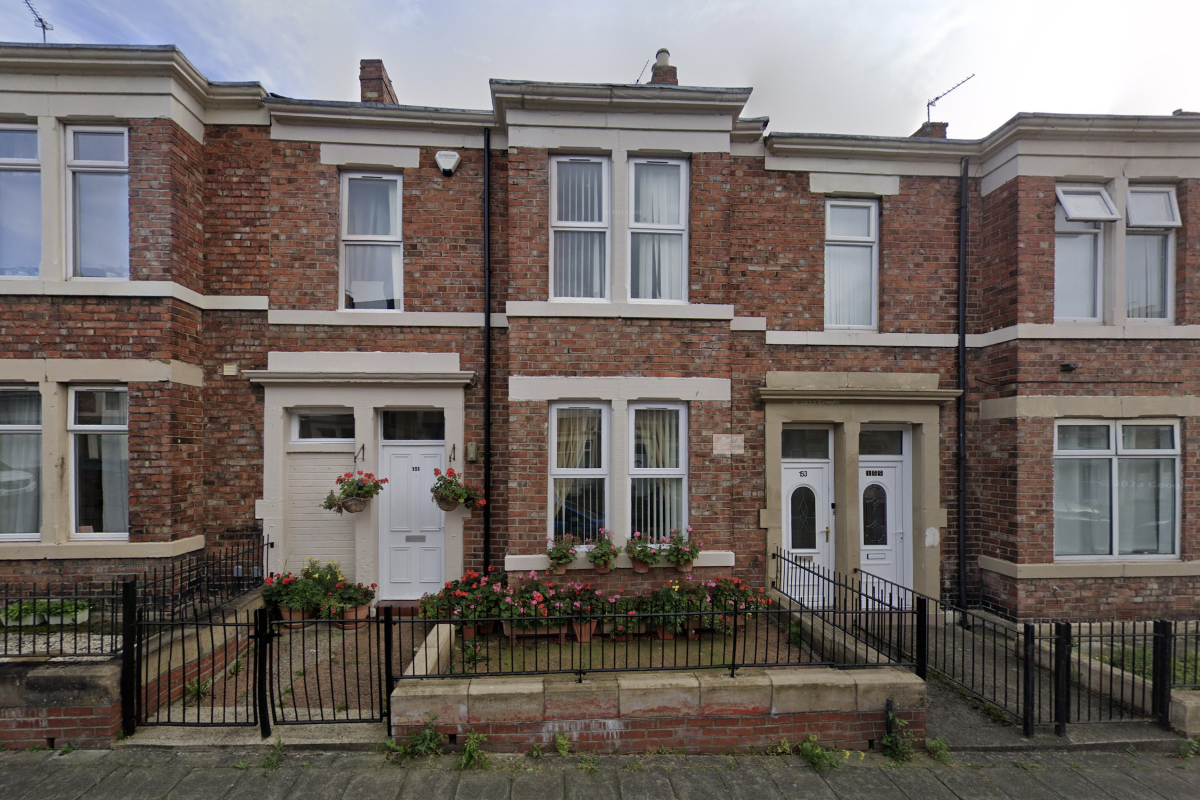
The Tyneside flat is one of the region's most distinctive contributions to residential architecture. Built largely between the 1890s and 1920s to house Newcastle's booming industrial workforce, these are two self-contained flats stacked within a single terraced house: a ground floor flat and an upper floor flat, each with its own separate front door onto the street instead of a shared communal entrance. You'll spot them by their long, narrow footprint, generous bay windows, and, in the older examples, decorative touches like ornate cornicing and sash windows. It's a clever, space-efficient design that's become a defining feature of streets across Newcastle, Gateshead, and the wider Tyneside area. But that cleverness comes with a catch: two separate owners sharing one structure.
That single structure creates a legal quirk many buyers don't expect. Each flat is typically sold with its own freehold, but with reciprocal legal obligations to the other owner. Because the upper flat's floor is the lower flat's ceiling, and the roof over the top flat protects them both. This is sometimes called a "flying freehold" arrangement. Repair responsibilities for shared elements aren't always spelled out clearly, and a standard conveyancing search won't necessarily flag it. It's a structural issue as much as a legal one, which is exactly where a surveyor comes in.
Who Pays for What
In most Tyneside flats, the roof, chimney stack, guttering, downpipes, shared drains and external walls fall under some form of joint responsibility between upper and lower owners. In practice, this is where disputes start; one owner may want works done, but the other is reluctant to pay their share. Before you buy, it's worth understanding exactly what you'd be jointly liable for, and whether any agreement, formal or otherwise, already exists between the flats.
What to Look For on a Viewing
- Roof and chimney condition: Age and shared neglect are common in these properties
- Damp: Rising damp is more common in ground floor flats, while penetrating damp from a poorly maintained roof or guttering tends to show up in the upper flat
- Signs of movement: Many Tyneside flats sit on shallow Victorian-era foundations, and cracking or uneven floors can point to subsidence
- Separation issues between the two flats: Cracking around the shared floor/ceiling, or sound travelling clearly between flats, can indicate deterioration in the structure between them
These aren't always obvious to an untrained eye, which is exactly why they catch buyers out. Given the shared structural elements involved, a standard Homebuyer Report (Level 2) often isn't thorough enough for a Tyneside flat. A full Level 3 Building Survey digs into exactly these areas, giving you a clear picture of condition and, just as importantly, leverage to negotiate or budget for repairs before you commit.
Get the Full Picture
If you're buying a Tyneside flat anywhere across Newcastle or the North East, get in touch with Robertson Hill Associates. Our RICS-accredited, CIOB chartered team knows exactly what to look for in these properties.
Get a Quote